


By Kelvin Obambon
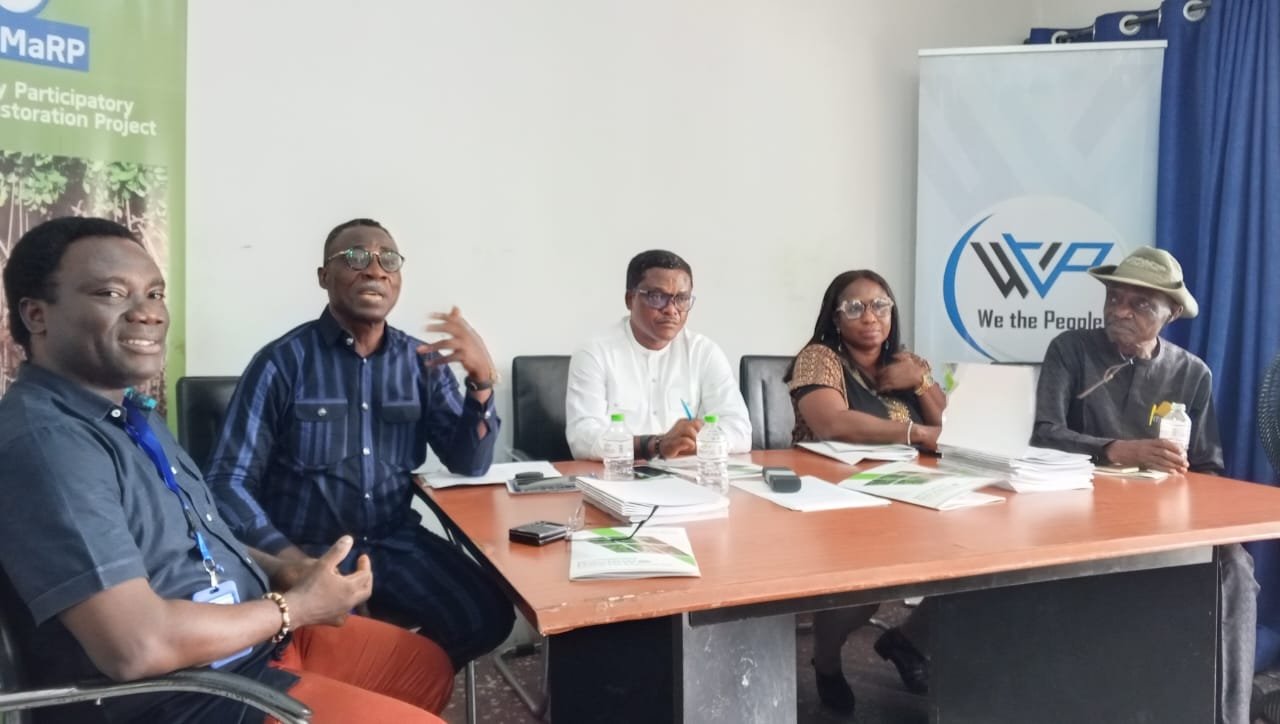
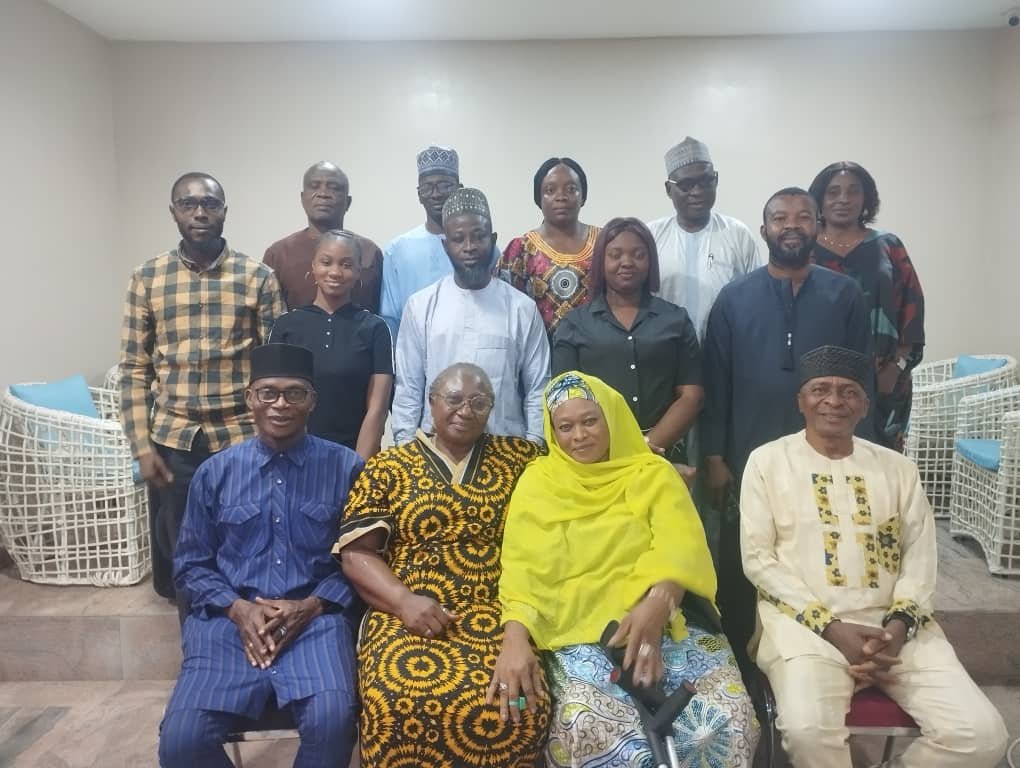
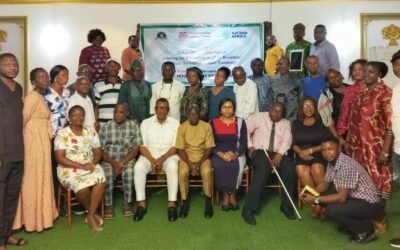
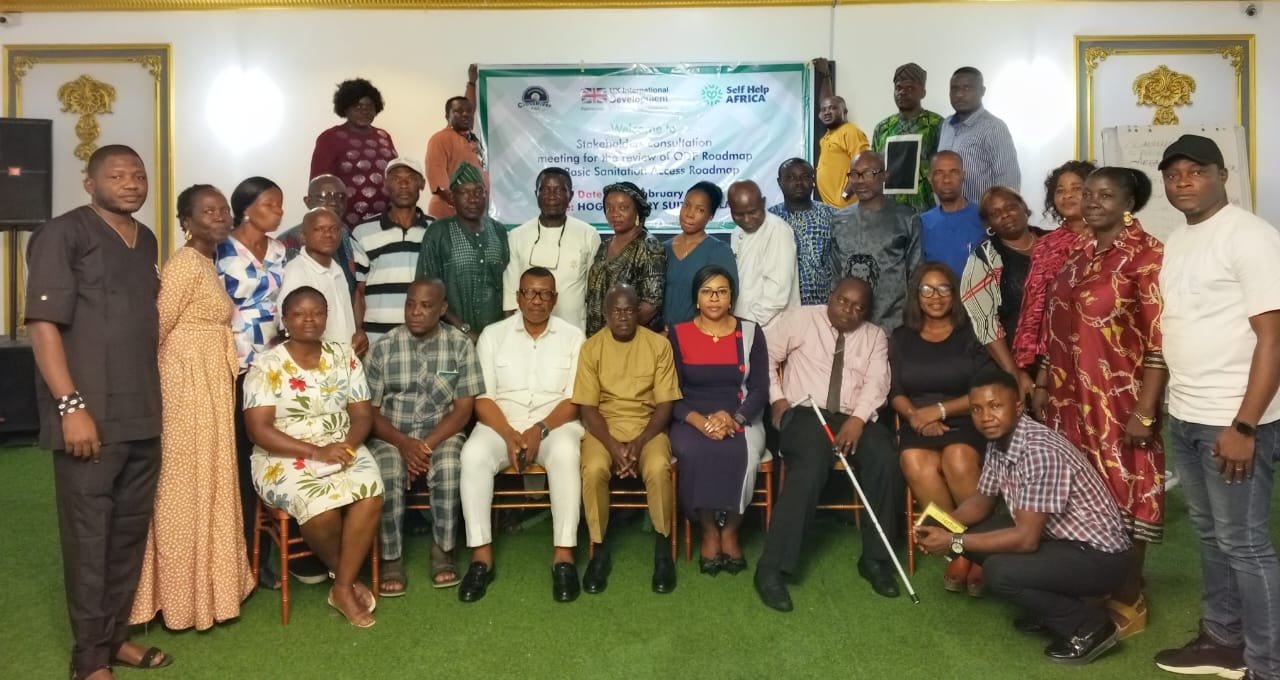
Sanitation experts, government officials, and partners on Tuesday February 24, 2026, gathered at HOGIS Hotels in Calabar for a pivotal one-day stakeholders’ meeting to review Cross River State’s Open Defecation Free (ODF) Roadmap.
Organized by Self Help Africa, the forum aimed to align the state’s strategy with Nigeria’s updated Clean Nigeria Campaign (CNC), targeting a nationwide ODF status by 2030 in line with Sustainable Development Goals.
Sukumun Ezekiel, Sanitation and Partnership Advisor at Self Help Africa for the WASH System for Health project, opened the discussions by highlighting the state’s progress and challenges. He said although Cross River currently boasts six Local Government Areas (LGAs) with ODF status, true success lies in sustainability.
“The drive goes beyond attainment – it’s about long-term plans using market-based sanitation and institutional strengthening to prevent relapse,” he said. He called for policies that boost the economy, attract investors to sanitation service levels, and explore opportunities in fecal sludge for energy and agriculture.
Ezekiel also called for collective action, urging governments to create enabling environments, while households should act as primary actors to own facilities, and institutions to upgrade staff amenities, and private sectors to invest.
Barr. Bassey Offiong Mensah, Commissioner for Water Resources, who was represented by William Agba, a director in the ministry, praised the current roadmap’s interventions like community mobilization and behavioral change campaigns. He noted recent initiatives, including the State House of Assembly public hearing on ODF prohibition, and urged participants to contribute meaningfully toward the state’s goals.
Similarly, Dr. Okon Ita, Permanent Secretary in the Ministry of Water Resources, delivered a progress presentation in which he highlighted key milestones such as the passage and signing of the Water Law for better resource management, a successful public hearing for the ODF Bill to enforce standards, and gazetting, launch, and distribution of the WASH Policy for regulated waste disposal and cleaner water bodies.
“These reflect strong political will and collaboration, but we must prioritize implementation, monitoring, community engagement, and financing,” the Permanent Secretary who was represented by Akong-Egozi Sunday, Director Finance and Supply, concluded.
On his part, Hon. Oko Sunday, General Manager of Cross River Rural Water and Sanitation Agency (RUWATSA), gave a candid assessment of ODF realities in the state. He disputed the ODF status of the six LGAs, claiming all may be challenged by slippage due to inaction. “Our record is poor; there’s less visibility in the roadmap because we’re not doing enough,” Sunday stated, thanking Self Help Africa for the forum.
He highlighted challenges like manpower shortages and funding but assured commitment under the current government. “Our 2026 budget is robust – we’ll pressure for quick releases. Partners can’t do it alone; we need collective effort to move the state forward.”
The meeting achieved key objectives, including gathering stakeholders’ views on sanitation gaps for advocacy, retrospectively reviewing the 2022-2025 ODF Roadmap to shape the 2026-2031 sustainable sanitation access plan, building consensus, and generating actionable recommendations.