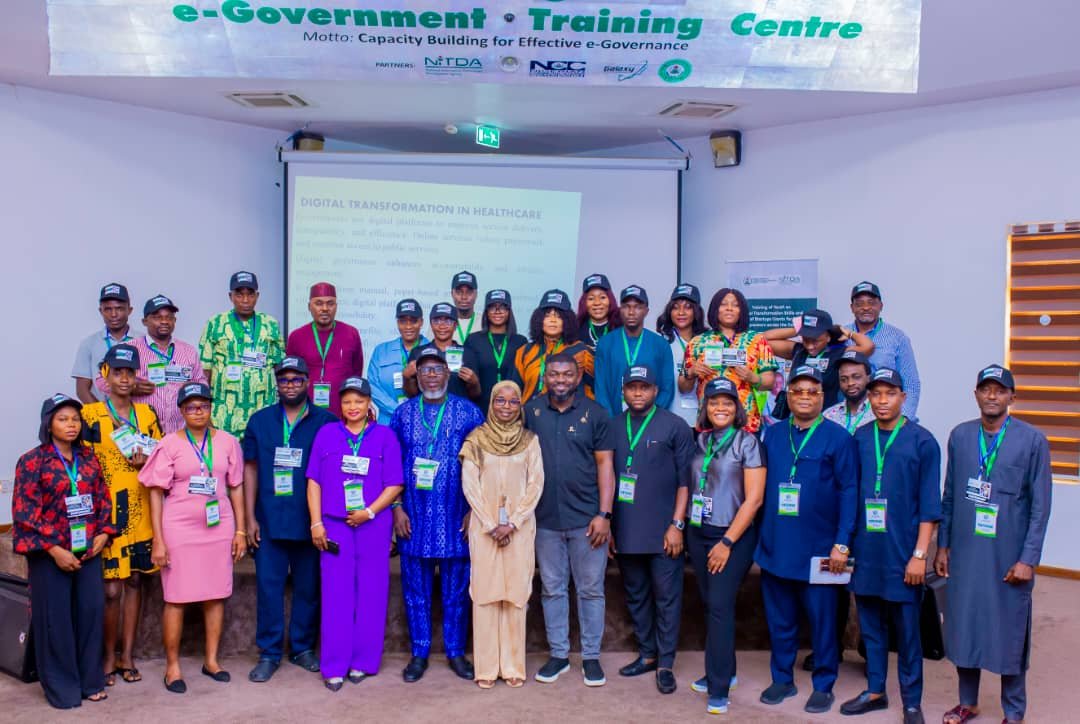




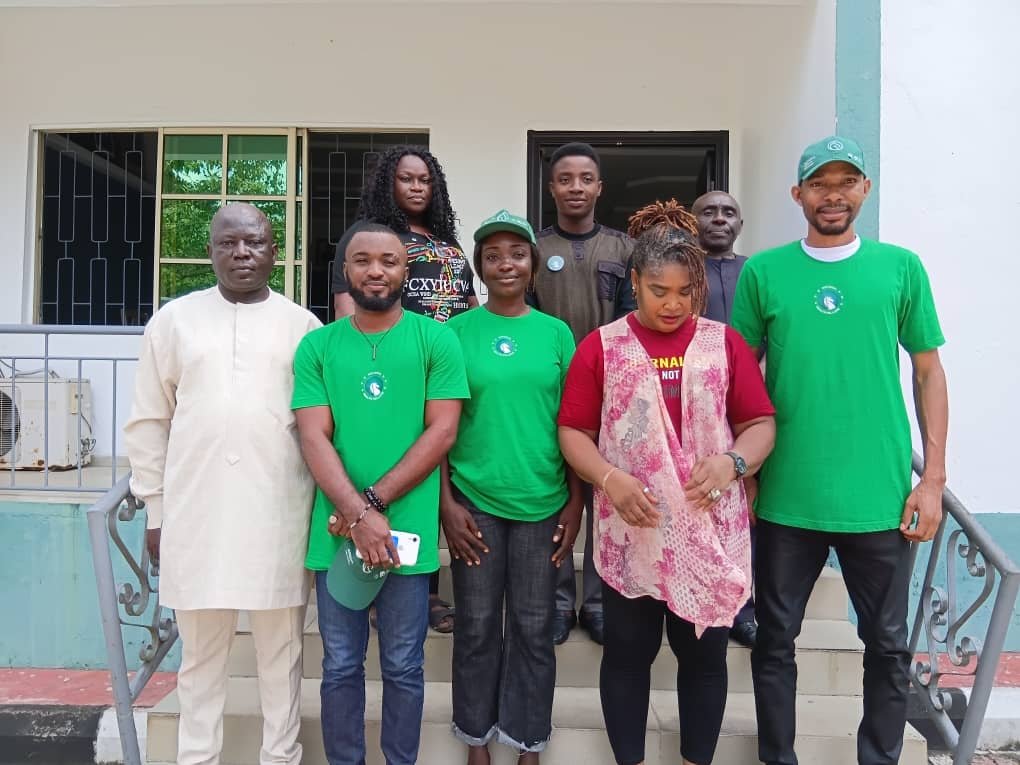
National Health Fellows on Friday, 9 January 2026, paid a courtesy visit to the Nigeria Union of Journalists (NUJ) Cross River State Council, seeking collaboration to amplify health advocacy and community based interventions across the state.
Speaking on behalf of the delegation, Catherine Modey, National Health Fellow Representing Calabar Municipal, explained that their work goes beyond isolated projects, focusing on sustainable development outreaches in partnership with government institutions, communities and the media.
She disclosed that the group has engaged the Cross River State Ministry of Health and is currently implementing several initiatives aimed at improving public health outcomes. According to her, the programme serves as a platform for young health leaders to learn leadership, policy engagement and project organisation while delivering impact driven interventions.
READ ALSO: US vows to carry out more air strikes in Nigeria
Modey noted that fellows have recorded individual and collective successes, supported by a strong leadership structure committed to advancing health advocacy at different levels. “One of the key projects is a sexual and reproductive health intervention targeting about 700 students,” she said.
The initiative, Modey explained, will address both girls and boys, stressing that health education should be inclusive and not limited to those already affected by illness. She emphasised that empowering boys alongside girls is critical to achieving lasting behavioural change among adolescents.
The delegation also revealed plans for a pilot vocational and economic empowerment project focused on teaching students practical skills, including the production of reusable sanitary materials. This, according to the fellows, would help reduce the financial burden on families while equipping students with income generating skills. “The project is expected to expand to rural communities where the need for health and economic interventions is greatest,” Modey said.
Some of the National Health Fellows who have led campaigns in rural local government areas shared experiences of self funded sensitisation programmes on sexually transmitted diseases, particularly among adolescents, noting alarming cases of early pregnancies and low awareness of health risks. They expressed optimism that increased media support would help scale up such interventions.
Responding, Chairman of NUJ, Comrade Archibong Bassey, welcomed the Fellows and commended their commitment to public health. She assured them of support through media amplification, encouraging the use of short videos and regular updates to help journalists develop stories that highlight their activities.
The NUJ leadership also highlighted its own social intervention, the PADBank Mobile Outreach, which supports teenage girls with sanitary towels and menstrual hygiene education, while expressing readiness to collaborate with the Fellows on joint outreaches that address both health education and menstrual hygiene management.
The visit ended with mutual assurances of partnership, as both parties agreed that effective storytelling and information sharing are essential to driving public awareness, influencing policy and improving the health and wellbeing of communities across the state.