





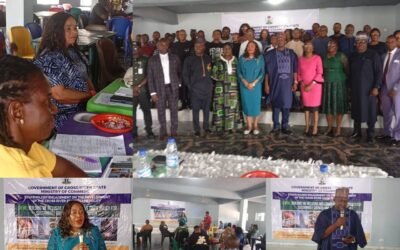
In a landmark move to secure international market access and protect the livelihoods of thousands of farmers, the Cross River State Government has officially commenced its Statewide Traceability Programme for cocoa, coffee, and oil palm.
The programme was launched in Calabar on Saturday February 14, 2026 by the Honourable Commissioner for Agriculture and Irrigation Development, Hon. Johnson Andiambey Ebokpo.
With this launch, Cross River becomes the first sub-national government in Nigeria to implement a comprehensive, technology-driven framework designed to meet the stringent requirements of the European Union Deforestation Regulation (EUDR) and other global sustainability standards.
READ ALSO: Egypt earmarks $500bn to finance 300 projects across Africa
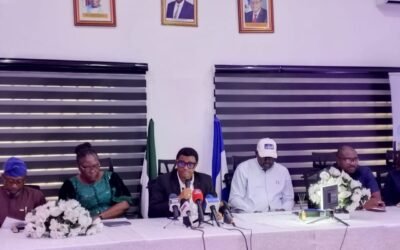
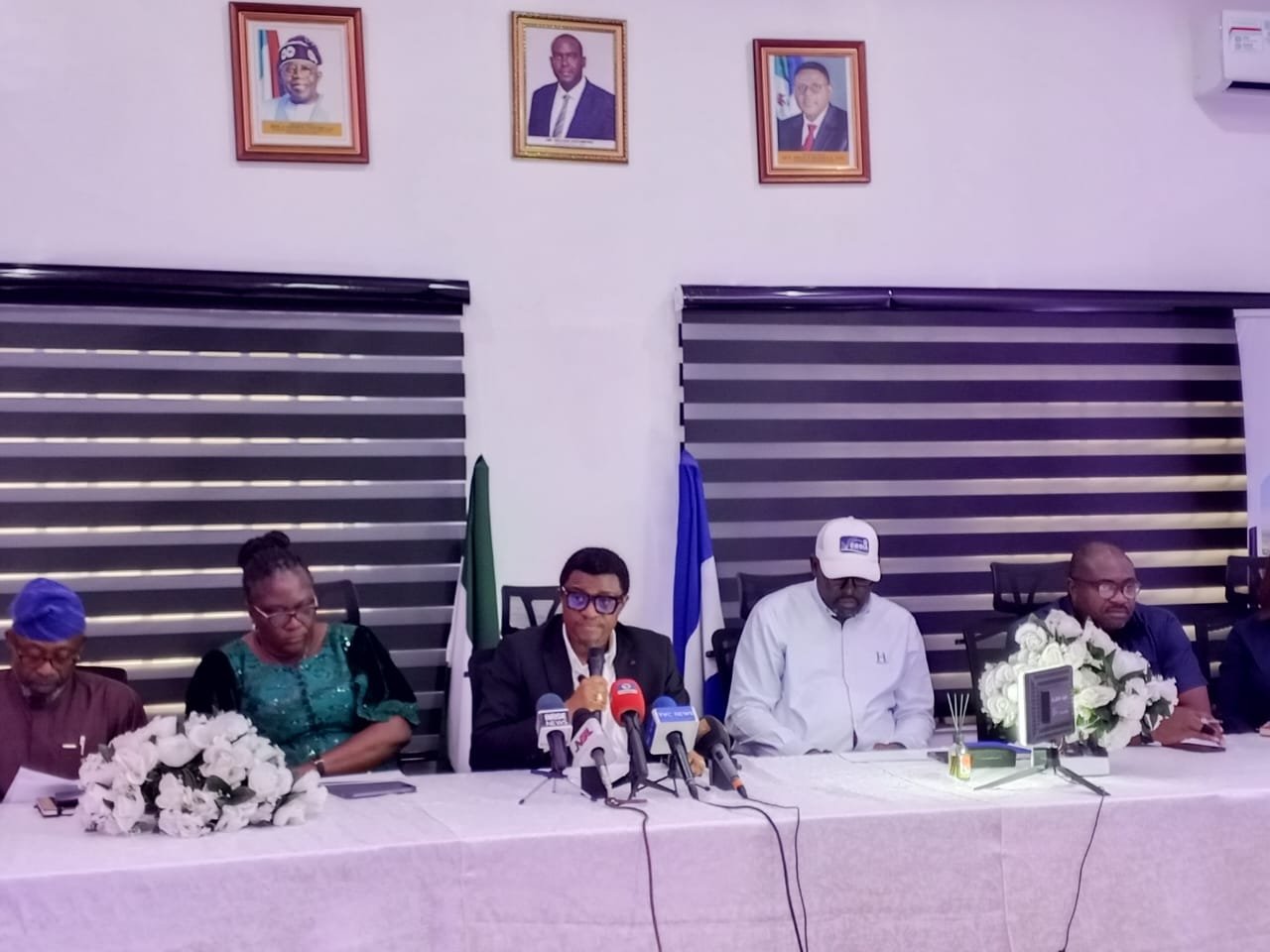
Addressing journalists and stakeholders during a press briefing held at the conference hall of Cross River Geographic Information Agency, Hon. Ebokpo emphasized that the initiative is a key component of Governor Bassey Edet Otu’s “People First” agenda.
“The global market landscape is evolving rapidly,” the Commissioner stated. “Major importing regions now require verifiable proof that agricultural commodities are not linked to deforestation. Without traceability and geolocation compliance, our farmers risk losing access to premium international markets.”
The programme, which is supportive rather than punitive, involves the digital profiling of farmers, polygon mapping of farms using GPS technology, and the registration of all value chain actors, from aggregators to exporters.
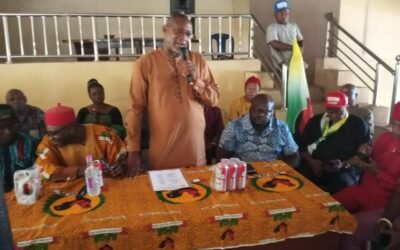
The Commissioner called on all farmers, traditional institutions, and regulatory agencies to mobilize for the statewide sensitization and registration exercise.
He acknowledged the technical and financial support from development partners, including the UN FAO, Lutheran World Relief, and UK Propcom+ , and sued for deepened collaboration in positioning Cross River State as a national model for sustainable commodity production.
“Together, we are building a stronger, more sustainable, and globally competitive agricultural sector,” Hon. Ebokpo declared, formally marking the beginning of a new era for Cross River’s tree crops.
The state has engaged PULA Advisors as the lead consultant for the programme. Mike Enahoro, Country Director for PULA, highlighted the unprecedented nature of the project at a sub-national level.
“This is the first sub-national government anywhere to take this on,” Enahoro noted. “We are breathing science into agronomy. By next week, 300 trained agents will scatter across the state to begin real-time data collection.”
Prof. Susan Ohen, Chairman of the Multi-Stakeholder Committee on Cocoa, Coffee, and Oil Palm, described the launch as a “governance reform” and a “pathway to improved livelihoods.” She noted that the system would allow the state to project yields accurately, improve data for Internal Generated Revenue (IGR), and ensure that government interventions, such as seeds and fertilizers, reach the right hands.
On his part, Director General of the Cross River Geographic Information Agency, William Archibong, informed that an office for the traceability system has been set up and assured stakeholders that the agency is “100% top-notch” in terms of software and technology to mirror field data in real-time, ensuring transparency from “farm to market.”