




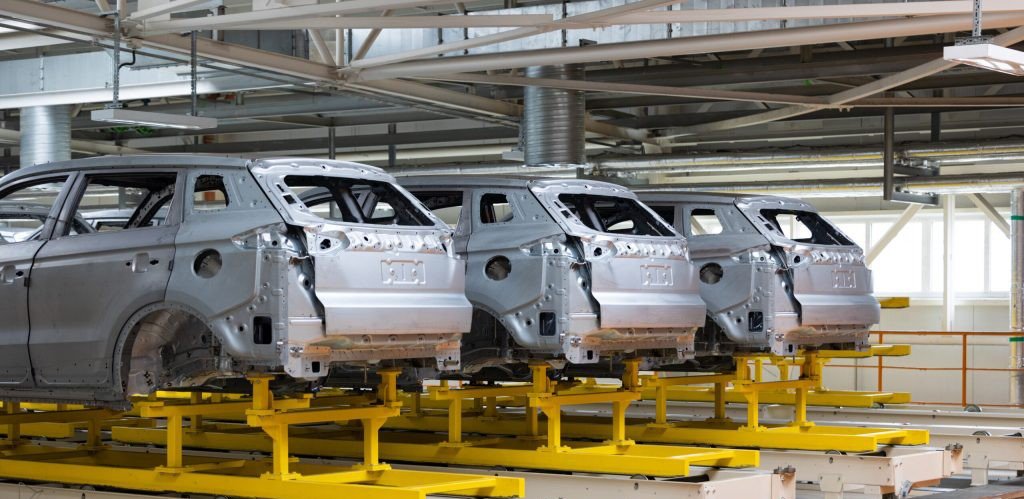
Nigeria has taken a major step toward establishing a domestic electric vehicle (EV) industry after signing an agreement with South Korea’s Asia Economic Development Committee (AEDC) to establish what officials are calling Africa’s first EV manufacturing plant.
Nigeria has signed an agreement with South Korea’s AEDC to establish Africa’s first EV manufacturing plant.
This initiative aligns with Nigeria’s energy and automotive development plans and will include the creation of essential EV infrastructure.
READ ALSO: NIPR Anambra Unveils 2026 AGM and Summit
Efforts to support EV adoption include financing programs and state-level initiatives such as electric buses in Lagos.
Once operational, the facility is projected to produce 300,000 vehicles annually and generate around 10,000 jobs.
The agreement, signed on January 30, 2025, by Minister of State for Industry Senator John Enoh for Nigeria and AEDC Chairman Yoon Suk-hun for South Korea, marks a major step in the country’s push to localize vehicle production and green technology adoption.
According to a statement posted on the official X (formerly Twitter) account of the National Automotive Design and Development Council (NADDC),
“On January 30, 2026, the Federal Government of Nigeria, through Senator John Enoh, Hon. Minister of State for Industry at the Federal Ministry of Industry, Trade and Investment (FMITI), signed a Memorandum of Understanding (MoU) with South Korea’s Asia Economic Development Committee (AEDC) to establish an Electric Vehicle (EV) manufacturing plant and develop critical charging infrastructure nationwide. This landmark collaboration aligns strongly with Nigeria’s National Energy Transition Plan (ETP) and National Automotive Industry Development Plan (NAIDP).”
The project will be implemented in phases, beginning with EV assembly and later expanding into full in-house production.
Once fully operational, the plant is expected to produce 300,000 vehicles annually and create approximately 10,000 jobs, according to the NADDC.
Nigeria’s automotive sector faces structural challenges, including limited local component production, high assembly costs, and heavy reliance on imports.
The country imports between 400,000 and 720,000 vehicles annually, with 74–90% being used cars.
In 2023, imports reached 700,000 units, with passenger cars valued at $1.05 billion in 2024, making Nigeria one of the world’s largest markets for pre-owned vehicles.
To promote electric mobility, the federal government launched a 20 billion naira ($12 million) consumer credit program in December 2024.
The scheme supports the purchase of locally assembled electric vehicles, motorcycles, and tricycles, partnering with domestic manufacturers including Innoson, Nord, CIG (GAC), PAN, Mikano, Jets, NEV (Electric), and DAG to expand access and foster the growth of a homegrown EV industry.
Culled from Business Insider Africa